


Keeping Your Cool: Why Proper Engine Cooling Is Essential for the 1998–2002 Camaro, Firebird & Trans Am
Posted by Pete DeFazio on 12th Oct 2026
Keeping Your Cool: Why Proper Engine Cooling Is Essential for the 1998–2002 Camaro, Firebird & Trans Am
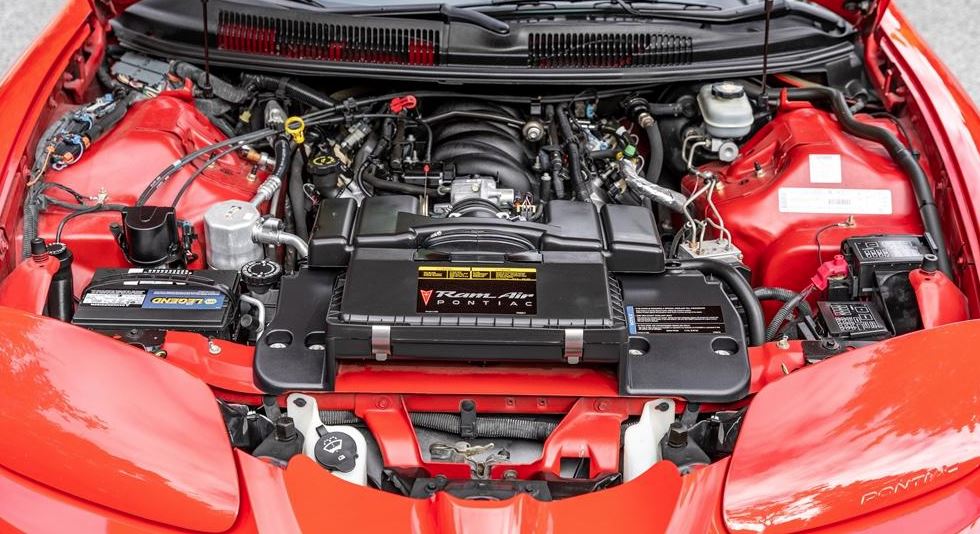
The LS1 changed the performance landscape for GM's fourth-generation F-body. Whether you're cruising on a summer afternoon, sitting in traffic, or enjoying a spirited drive, one of the most important components protecting that legendary V8 is the electric cooling fan assembly behind the radiator.
The LS1 Revolution: Performance That Demands Proper Cooling
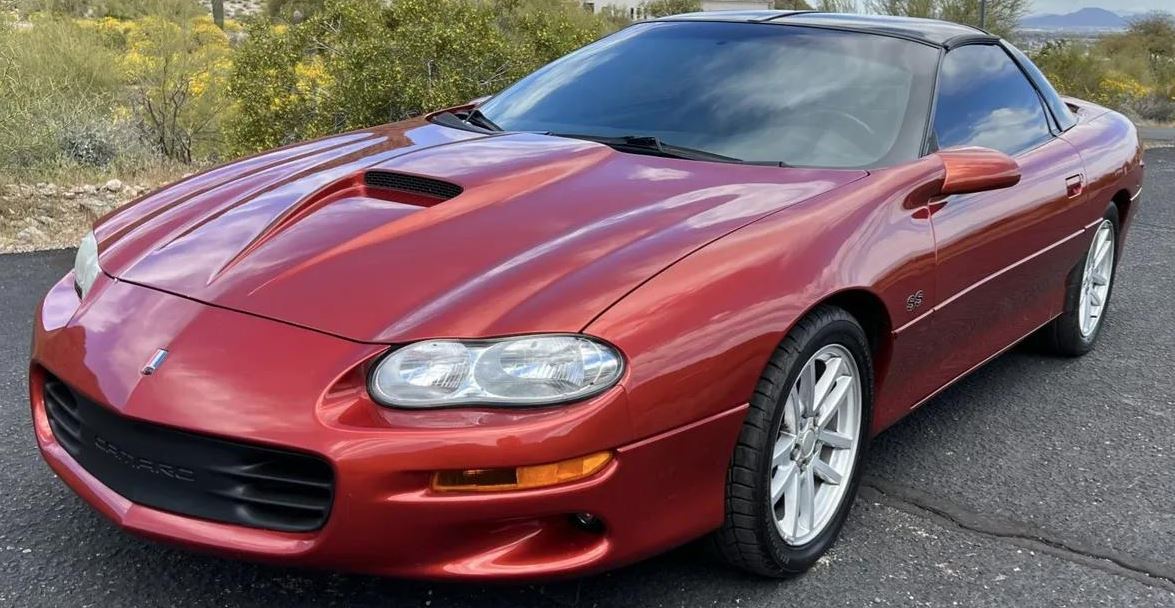
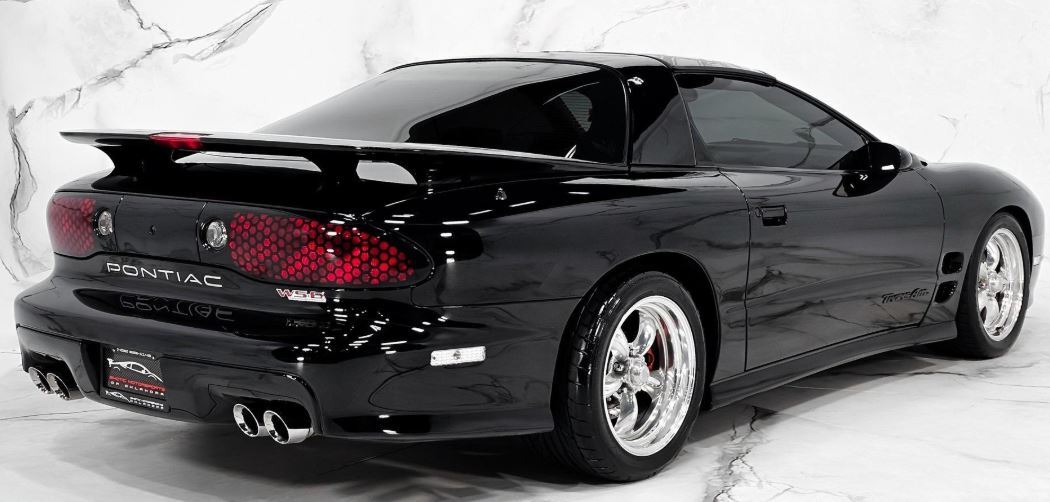
When General Motors introduced the LS1-powered Camaro Z28, Camaro SS, Firebird Formula, and Trans Am for the 1998 model year, it marked a turning point in American performance-car history. Gone was the familiar LT1 engine of the preceding years. In its place arrived the aluminum-block, 5.7-liter LS1 V8, a powerplant that helped redefine what enthusiasts expected from a modern muscle car.
The LS1 delivered an impressive combination of horsepower, torque, efficiency, and durability. Depending on model year and application, factory ratings generally ranged from 305 to 325 horsepower, with certain specialty configurations rated higher. More importantly, the LS1 established an engine architecture that would influence GM performance vehicles for decades.
Yet behind all that horsepower was a carefully engineered cooling system responsible for keeping engine temperatures within the intended operating range. While enthusiasts often focus on cold-air intakes, exhaust systems, camshafts, and performance tuning, the cooling system deserves just as much attention. Horsepower is only enjoyable when your engine can safely manage the heat it produces.
Why Engine Temperature Matters More Than You Think
An internal combustion engine produces tremendous amounts of heat. While some of that thermal energy becomes useful mechanical power, a significant portion must be carried away through the cooling system and exhaust.
The LS1 relies on liquid coolant circulating through the engine and radiator to manage temperatures. The thermostat regulates coolant flow, the water pump maintains circulation, and the radiator transfers heat into the surrounding air. But there is one particularly important component in this equation: the electric cooling fan assembly.
When the vehicle is traveling at highway speeds, airflow through the radiator helps remove heat naturally. However, when the vehicle slows down, sits at a traffic light, or idles in a parking lot, that natural airflow decreases dramatically. That's when the electric cooling fans become essential.
Without sufficient airflow, coolant temperatures can rise even though the radiator, thermostat, and water pump are otherwise functioning correctly. Prolonged overheating can contribute to damaged gaskets, degraded engine oil, distorted components, and expensive engine repairs. For owners preserving an original LS1 drivetrain, maintaining the cooling system is an investment in the vehicle's long-term reliability.
The Dual-Fan Advantage: How GM Engineered the System
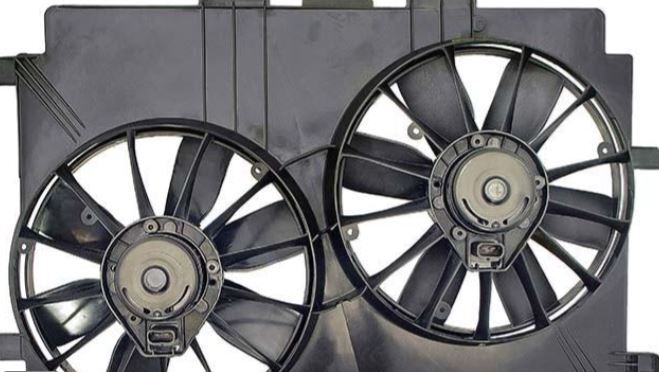
One of the clever engineering features of the 1998–2002 LS1 F-body is its dual electric cooling fan system. Rather than relying on a traditional belt-driven mechanical fan, GM employed two electrically operated fans housed within a molded shroud behind the radiator.
This arrangement offered several advantages. Electric fans operate independently of engine speed, provide airflow when the vehicle is stationary, and allow the engine management system to respond to changing cooling demands.
Factory service information for the 2002 Camaro LS1 describes a three-relay system controlled by the Powertrain Control Module (PCM). The relays configure both fans to operate at low speed or high speed as needed. Both fans can run together at reduced speed before switching to higher-speed operation when additional cooling is required.
For the 2002 LS1 application, service information identifies approximately the following coolant-temperature activation points:
| Operating Mode | Approximate Temperature |
|---|---|
| Low-speed fan activation | 221°F (105°C) |
| High-speed fan activation | 235°F (113°C) |
These are factory-control reference values for the cited 2002 application, not universal settings or recommended target temperatures. Air-conditioning demand and refrigerant pressure can also activate the fans independently of coolant temperature. Consult the service information for your specific vehicle and calibration.
This explains why a properly operating LS1 may run warmer in traffic than some owners expect, without necessarily indicating a mechanical problem. The important distinction is whether the system responds correctly and brings temperatures under control.
Five Warning Signs Your Cooling Fans Need Attention
As these fourth-generation F-bodies continue to age, original cooling components deserve closer inspection. A fan assembly that has survived more than two decades of heat cycles, vibration, and road debris may eventually develop electrical or mechanical problems.
- Temperatures rise while idling. The car runs normally on the highway but begins getting unusually hot in traffic.
- Air-conditioning performance deteriorates at stops. Insufficient airflow through the condenser can reduce A/C efficiency.
- One or both fans fail to operate. A failed motor, relay, fuse, wiring connection, or control circuit may prevent normal operation.
- Grinding, rattling, or unusual fan noise. Worn bearings, damaged blades, or contact with the shroud can produce mechanical noise.
- Visible damage to the fan assembly. Cracked shrouds, broken mounting tabs, or damaged fan blades should never be ignored.
These symptoms do not automatically mean the fan assembly is defective. A restricted radiator, low coolant level, malfunctioning thermostat, or damaged electrical connection can create similar complaints. GM's owner documentation advises checking fan operation when investigating an overheating condition.
Preventive Maintenance: Protecting Your LS1 Investment
Proper cooling-system maintenance is more than replacing parts after they fail. It's about preserving the entire system so every component can do its job.
Start by checking the coolant level when the engine is cold. Inspect the radiator, hoses, water pump, and coolant reservoir for leaks, deterioration, or evidence of previous overheating. Examine the fan shroud for cracks and verify that electrical connectors are clean and secure. A qualified technician can command fan operation with an appropriate scan tool to confirm both low- and high-speed functions.
Coolant chemistry also matters. GM specified DEX-COOL coolant for these vehicles and warned that incompatible coolant could contribute to premature corrosion. Follow the applicable factory service procedures when flushing, filling, or bleeding the system.
Safety reminder: Electric cooling fans can start unexpectedly, including under certain conditions when the engine is switched off. Never place hands or tools near fan blades unless the system has been safely disabled. Never remove a pressurized cooling-system cap while hot.
For modified LS1 engines, cooling-system inspection becomes even more important. Performance camshafts, forced induction, increased power output, and aftermarket tuning can change the thermal demands placed on the vehicle. However, a higher-output engine does not automatically require an aftermarket fan assembly. A properly functioning factory-style dual-fan system remains a sensible starting point for many street-driven applications.
Original GM Equipment: A Practical Replacement Option
When restoring or maintaining an older Camaro or Firebird, enthusiasts frequently face a familiar decision: repair the existing component, purchase an aftermarket replacement, or locate a good used original GM assembly.
A used OEM assembly can be an attractive solution when retaining factory fitment and appearance is important. The original-style unit is designed around the factory radiator installation, mounting arrangement, and electrical architecture. That can help avoid the fabrication and wiring changes sometimes associated with universal cooling fan conversions.
Of course, used components should be evaluated carefully. Motor operation, blade condition, electrical connectors, mounting tabs, and shroud integrity all deserve attention before installation. A used factory assembly is not automatically superior to a quality new replacement. Its value lies in providing a potentially economical, factory-style solution when the component is in serviceable condition.
25% OFF: GM LS1 Dual Electric Cooling Fan Assembly
1998–2002 Chevrolet Camaro, Pontiac Firebird & Trans Am
Hawks Motorsports is featuring a used GM dual electric cooling fan assembly at 25% off its regular listed price. This factory-style replacement option is intended for 5.7L LS1 V8 applications, not the earlier LT1 engine platform.
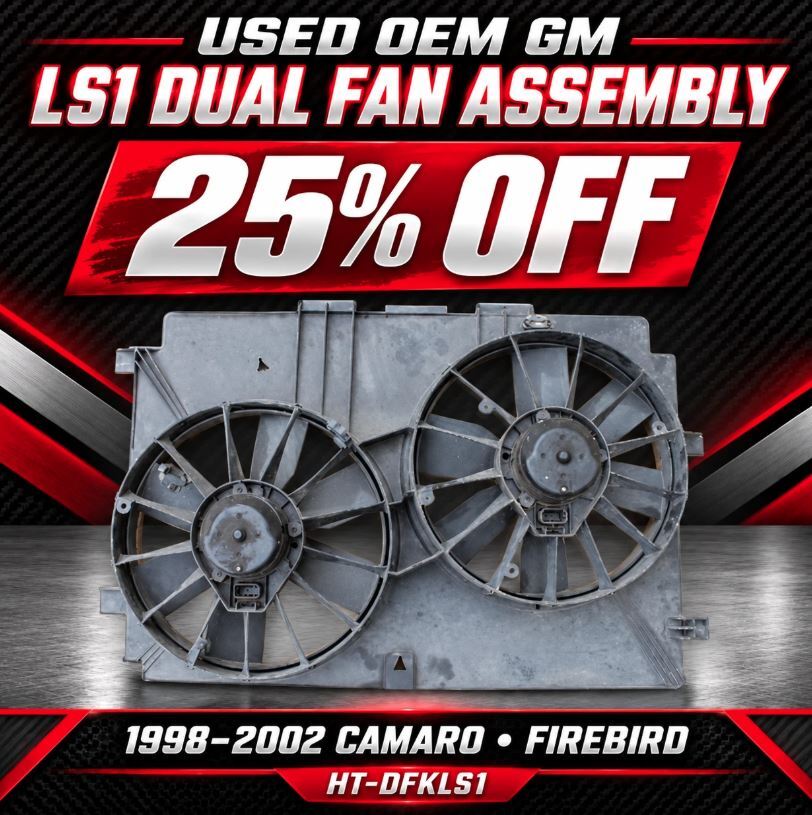
See the product page for current inventory, condition, photographs, and promotional terms.
The Bottom Line: Keep the Horsepower, Lose the Excess Heat
The 1998–2002 Camaro, Firebird Formula, and Trans Am represent one of the most rewarding eras of modern GM performance. Their LS1 engines continue to power original restorations, weekend cruisers, dragstrip favorites, and countless enthusiast projects.
But even the strongest engine is only as dependable as the supporting systems keeping it alive. A healthy radiator, correct coolant, functioning thermostat, and properly operating dual electric cooling fans work together to protect the LS1 under demanding conditions.
Before investing in the next horsepower upgrade, take a few minutes to evaluate the cooling system already under the hood. Because the best performance modification sometimes isn't about making more power. It's about protecting the horsepower you've already got.
Keep your LS1 running strong, and keep your fourth-generation F-body on the road where it belongs.
Hawks Motorsports | Camaro, Firebird & Trans Am Restoration and Performance Parts
Pete DeFazio October 2026
Technical Sources & Further Reading
- GM 2002 Chevrolet Camaro Owner's Manual — cooling-system care and overheating precautions.
- 2002 Camaro LS1 Factory-Style Cooling System Service Information — fan relays, PCM operation, and activation temperatures.
- 1998 Camaro Electric Cooling Fan Diagnosis — fan circuit diagnostic reference.